- About company
- AreasThe field of metallurgy and mining consultingAutomotive and transportation services consultingBiotechnology and medicine consultingReal Estate and Construction consultingOil and gas industry consultingHousehold products consultingActivity of mobile operators consultingThe scope of state and government institutions consultingNew technologies consultingElectricity and fuel and energy complex consultingFinance consultingEntertainment and media industry consulting
- Services
- Company registration
- Offshore company registration
- Company Registration in Anguilla
- Company registration in Antigua
- Offshore company Aruba
- Offshore company Bahamas
- Offshore company Barbados
- Company registration in BVI
- Offshore company in Vanuatu
- Offshore company Gibraltar
- Company registration in Hong-Kong
- Company registration on Jersey
- Company registration in Cayman Islands
- Company registration in Costa Rica
- Company registration in Curacao
- Company registration in Labuan
- Company registration in Liberia
- Company registration in Mauritius
- Company registration in Madeira
- Company registration in Macau
- Company Registration in Malta
- Offshore company registration in the Marshall Islands
- Company registration in Monaco
- Company registration in Nauru
- Company registration in St. Kitts and Nevis
- Company registration in Niue
- Company registration in Isle of Man
- Company registration in The Cook Islands
- Company registration in Panama
- Company registration in Samoa
- Company registration in San Marino
- Company registration in Sark
- Company registration in Singapore
- Company registration in Turks & Caicos
- Low-Taxed Jurisdictions
- Company Registration in Malta
- Registration of companies in Cyprus
- Company registration in Germany
- Company registration in Poland
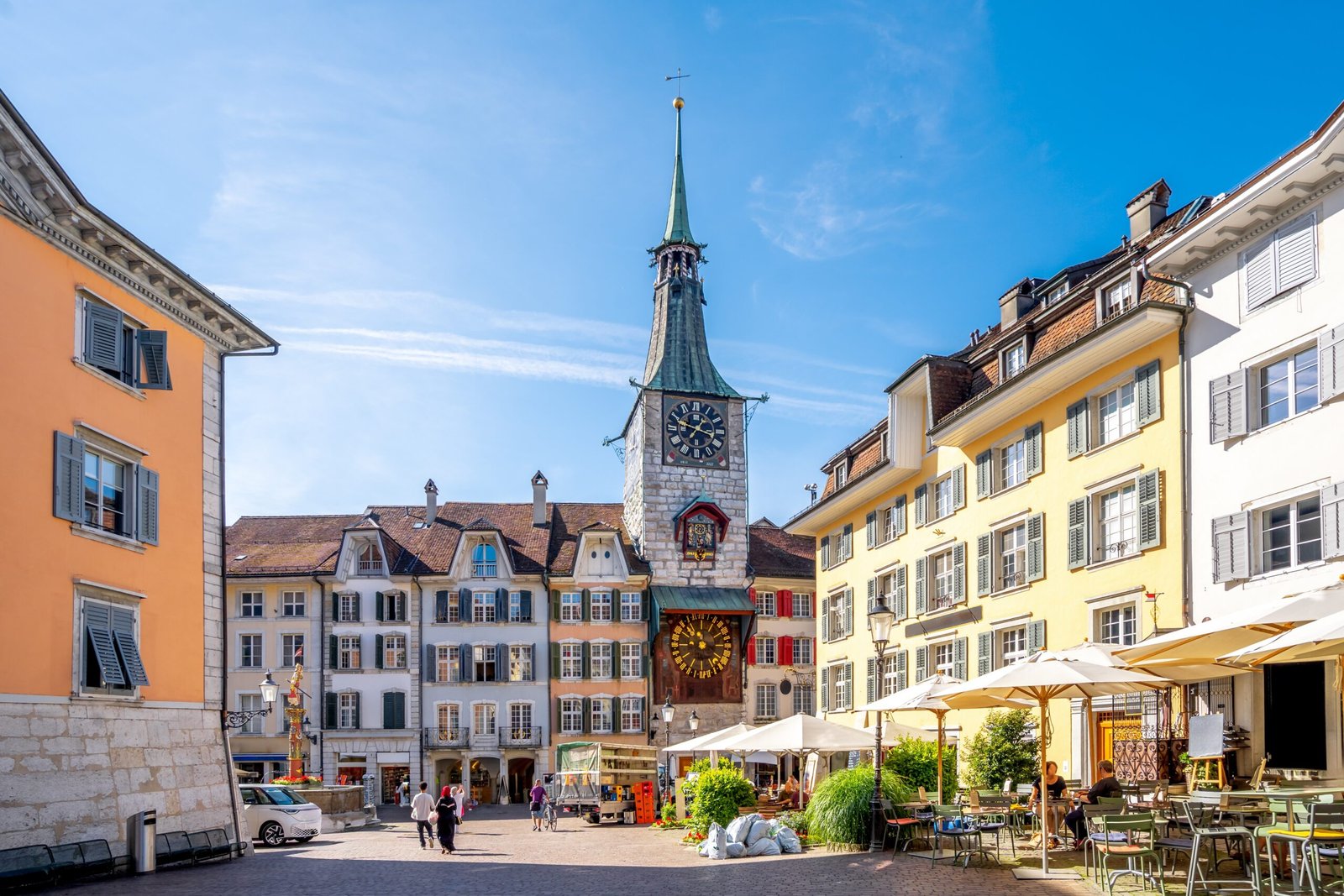
- Company registration in Switzerland
- Company Registration in Lithuania
- Company registration in Ireland
- Company registration in Hungary
- Company registration Delaware
- Company registration in Portugal
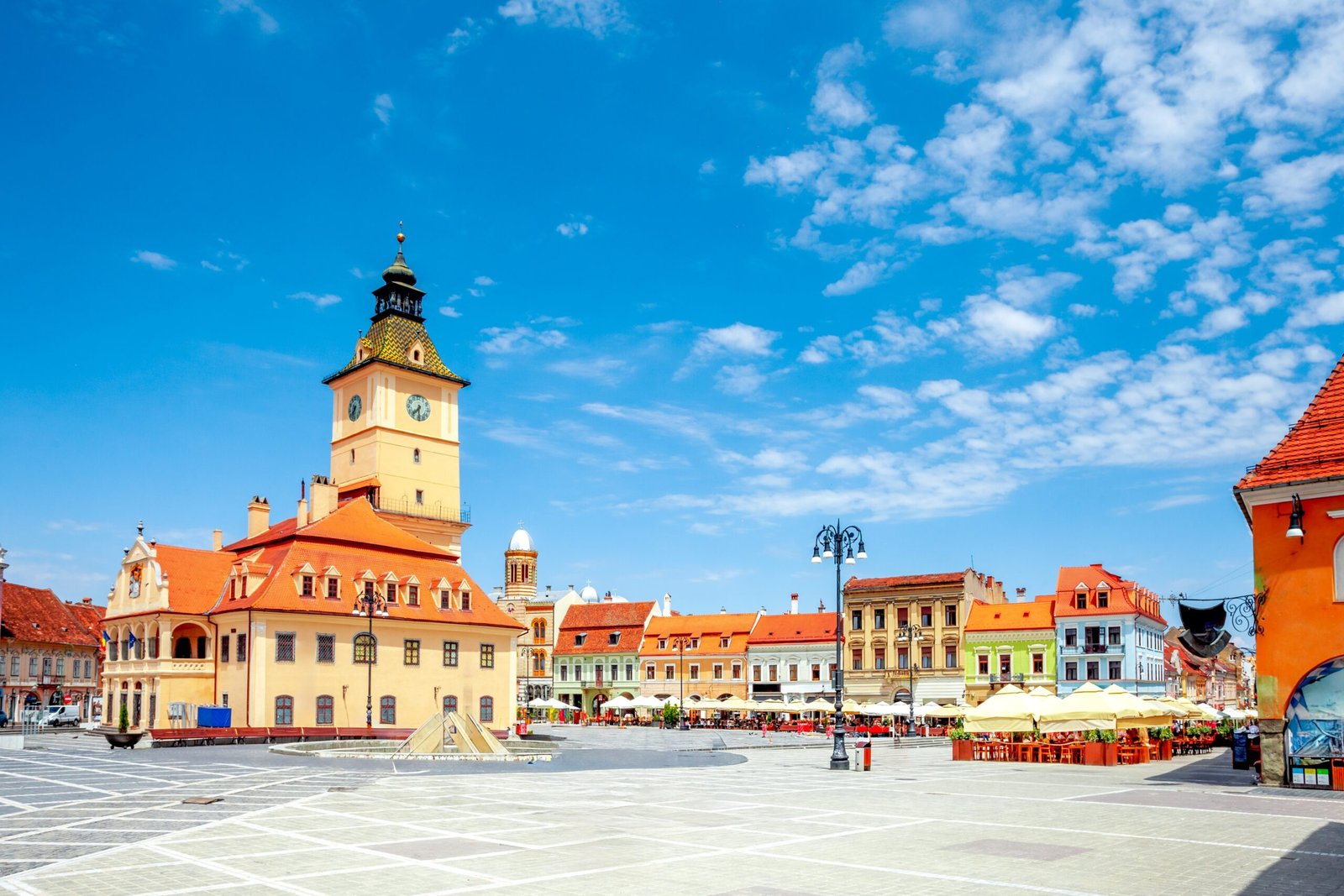
- Company registration in Romania
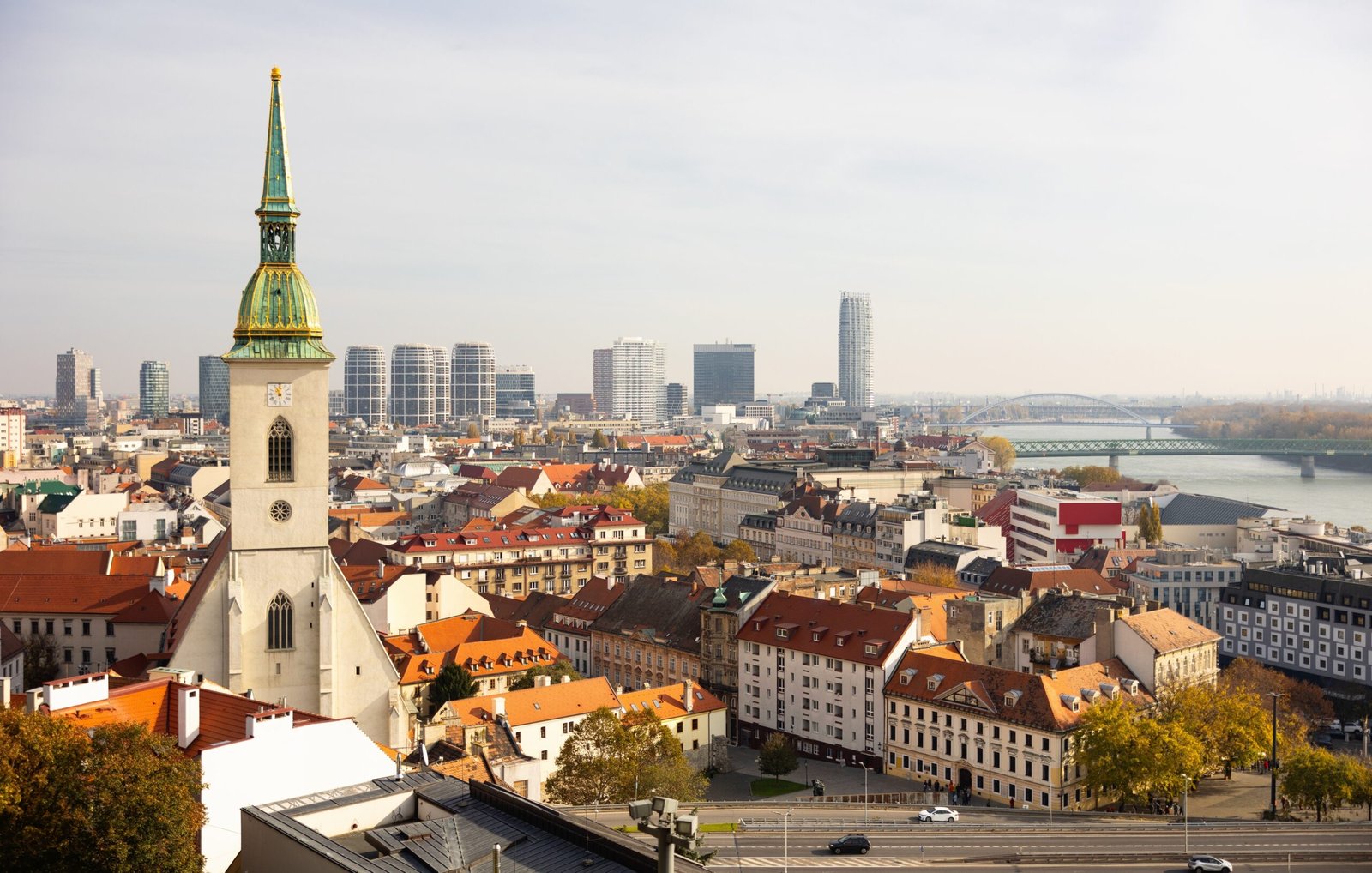
- Company registration in Slovakia
- Company registration in Slovenia
- Company registration in Luxembourg
- Company registration in New Zealand
- European Jurisdictions
- Company registration in Albania
- Company registration in Andorra
- Company registration in Austria
- Company registration in Belgium
- Registration of a company in Bulgaria
- Company registration in Germany
- Company registration in Hungary
- Offshore company Gibraltar
- Company Registration in Greece
- Company registration in Denmark
- Company registration on Jersey
- Company registration in Ireland
- Company registration in Iceland
- Company Registration in Italy
- Registration of companies in Cyprus
- Company Registration in Lithuania
- Company registration in Luxembourg
- Company registration in Macedonia
- Company Registration in Malta
- Company registration in Monaco
- Company registration in the Netherlands
- Company registration in Norway
- Company registration in Isle of Man
- Company registration in Poland
- Company registration in Portugal
- Company registration in Romania
- Company registration in San Marino
- Company registration in Sark
- Company registration in Serbia
- Company registration in Slovakia
- Company registration in Slovenia
- Company registration in Spain
- Company registration in Ukraine
- Company registration in France
- Company registration in Croatia
- Company registration in Montenegro
- Company registration in Czech Republic
- Company registration in Switzerland
- Company registration in Sweden
- Company registration in Estonia
- Company Registration in Georgia
- Jurisdictions in Asia
- Company registration in Bangladesh
- Company registration in Bahrain
- Company registration in Brunei
- Company registration in Hong-Kong
- Company registration in Israel
- Company registration in India
- Company registration in China
- Company registration in Labuan
- Company registration in Lebanon
- Company registration in Macau
- Company registration in UAE
- Company registration in Singapore
- Company registration in Thailand
- Company registration in Turkey
- Company registration in Armenia
- Jurisdictions in North and South America
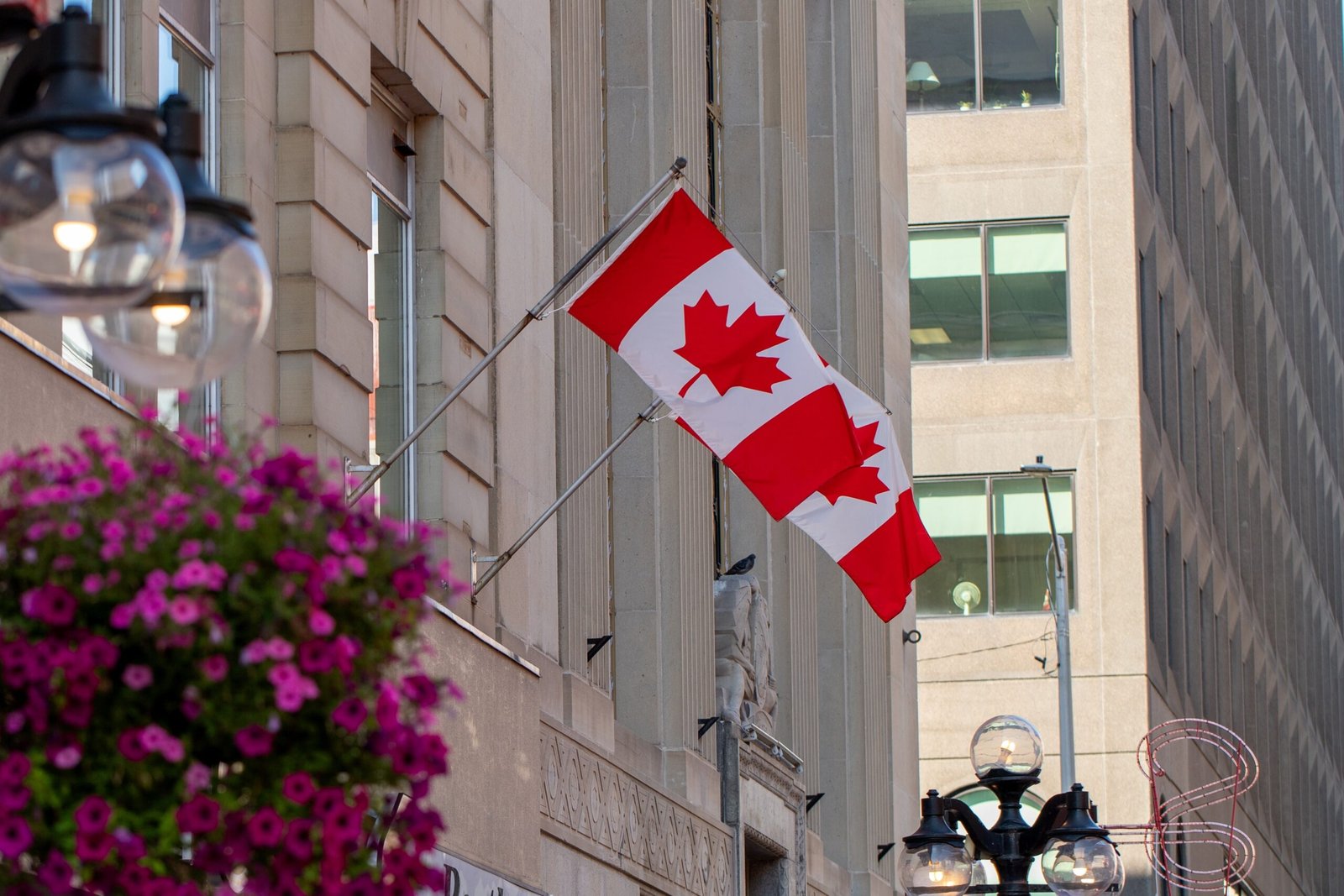
- Company registration in Canada
- Company Registration in Anguilla
- Company registration in Antigua
- Company registration in Argentina
- Offshore company Aruba
- Offshore company Bahamas
- Offshore company Barbados
- Company registration in Brazil
- Company registration in BVI
- Company registration in Cayman Islands
- Company registration in Colombia
- Company registration in Costa Rica
- Company registration in Cuba
- Company registration in Curacao
- Company registration in Peru
- Company registration in St. Kitts and Nevis
- Company registration in Panama
- Company registration in Saint Vincent
- Company registration in Saint Vincent
- Company registration in Turks & Caicos
- Company registration in Uruguay
- Company registration in Chile
- Company registration Delaware
- Company registration in Venezuela
- Company registration in Ecuador
- Jurisdictions for companies in Africa
- Jurisdictions for companies in Australia and Oceania
- Offshore company registration
- Licensing
- International Banking Licenses
- Money transfer services, Payment processing services, Money transfer services license
- MSB License in the USA
- MSO License in Hong Kong
- MSB License in Canada
- MSB License in Australia
- Register money services business (MSB) or foreign money services business (FMSB)
- EMI License in Estonia
- EMI license in the UK
- EMI License in Latvia
- EMI license in Ireland
- AEMI license in Cyprus
- AEMI license in Poland
- SEMI license in Malta
- SEMI License in Lithuania
- SEMI License in UK
- AEMI license in Ireland
- EMI license in Poland
- EMI license in Cyprus
- AEMI license in Malta
- EMI license in the Czech Republic
- EMI License in Lithuania
- PSP License in Mauritius
- Forex Broker License
- Forex License in Bulgaria
- Forex License in Estonia
- Forex License in Vanuatu
- Forex License in Cyprus
- Forex License in Seychelles
- Forex License in Mauritius
- Forex License in Cambodia
- Forex License in the Cayman Islands
- Forex License in Comoros Islands
- Forex License in Brazil
- Forex License in Belize
- Forex License in South Africa
- Forex License in the Bahamas
- Gambling Licenses
- Gambling License in Curacao
- Gaming License in Malta
- Gaming License in Cyprus
- Gaming License in Isle of Man
- Gambling License in Austria
- Gambling License in Belgium
- Gaming License in Gibraltar
- Gambling License in Alderney
- Gambling License in the Dominican Republic
- Gaming License in Kahnawake
- Gaming License in Romania
- Gambling License in El Salvador
- Gambling License in Estonia
- Gambling License in Italy
- Cryptocurrency Licenses
- Crypto License in Estonia
- ICO license on Gibraltar
- Crypto license in USA
- Crypto License in Malta
- Crypto License in Czech Republic
- Crypto License in El Salvador
- Crypto License in DMCC (UAE)
- Crypto License in Abu Dhabi (UAE)
- Crypto License in Bahrain
- Crypto License in Bulgaria
- Crypto License in Malta
- Crypto License in Romania
- Crypto License in Sweden
- Crypto License in Switzerland
- Crypto License in Dubai
- Crypto License in France
- Crypto License in Georgia
- Crypto License in Slovenia
- Crypto License in Spain
- Crypto License in Cuba
- Crypto License in Philippines
- Crypto License in Portugal
- Crypto License in Poland
- Crypto License in Germany
- Trust
- Trust License in Luxembourg
- Trust License in Lithuania
- Trust License in Belgium
- Trust License in Spain
- Trust License in Portugal
- Trust License in Latvia
- Trust License in Sweden
- Trust License in Estonia
- Trust License in Switzerland
- Trust License in the Cayman Islands
- Trust License in Mauritius
- Trust License in the Bahamas
- Trust License in Dominica
- Trust License in the Comoros
- Attorney at law
- Attorney at law
- Criminal Attorney
- Criminal Attorney Germany
- Criminal Attorney in Belgium
- Criminal Attorney in Luxembourg
- Criminal Attorney in Switzerland
- Criminal Attorney in Spain
- Criminal Attorney Italy
- Criminal Attorney France
- Criminal Attorney Sweden
- Criminal Attorney Portugal
- Criminal Attorney USA
- Criminal Attorneys in the Netherlands
- Interpol & International Criminal Defense Attorney
- Interpol & International Criminal Defense Attorney Switzerland
- Interpol & International Criminal Defense Attorney in Italy
- Interpol & International Criminal Defense Attorney in France
- Interpol & International Criminal Defense Attorney in Sweden
- Interpol & International Criminal Defense Attorney in Spain
- Interpol & International Criminal Defense Attorney in Portugal
- Interpol & International Criminal Defense Attorney in the USA
- Interpol & International Criminal Defense Attorney Austria
- Interpol & International Criminal Defense Attorney in Belgium
- Interpol & International Criminal Defense Attorney in Netherlands
- Interpol & International Criminal Defense Attorney in Germany
- Interpol & International Criminal Defense Attorney in Luxembourg
- Defense Against Interpol Red Notices
- Defense Against Interpol Red Notices in Germany
- Defense Against Interpol Red Notices in Switzerland
- Defense Against Interpol Red Notices Luxembourg
- Defense Against Interpol Red Notices in Netherlands
- Defense Against Interpol Red Notices in Belgium
- Defense Against Interpol Red Notices in Austria
- Defense Against Interpol Red Notices USA
- Defense Against Interpol Red Notices in Portugal
- Defense Against Interpol Red Notices Spain
- Defense Against Interpol Red Notices in Sweden
- Defense Against Interpol Red Notices in France
- Defense Against Interpol Red Notices in Italy
- Status Check in Interpol Database
- Status Check in Interpol Database in Germany
- Status Check in Interpol Database in Switzerland
- Status Check in Interpol Database in Luxembourg
- Status Check in Interpol Database Netherlands
- Status Check in Interpol Database in Belgium
- Status Check in Interpol Database in Austria
- Status Check in Interpol Database USA
- Status Check in Interpol Database in Portugal
- Status Check in Interpol Database in Spain
- Status Check in Interpol Database in Sweden
- Status Check in Interpol Database France
- Status Check in Interpol Database in Italy
- Removal from Interpol Database in Germany
- Removal from Interpol Database in Switzerland
- Removal from Interpol Database in Luxembourg
- Removal from Interpol Database in France
- Removal from Interpol Database in Spain
- Removal from Interpol Database in USA
- Removal from Interpol Database in the Netherlands
- Removal from Interpol Database in Belgium
- Removal from Interpol Database Sweden
- Removal from Interpol Database Portugal
- Removal from Interpol Database Austria
- Removal from Interpol Database Italy
- Protection Against Political Persecution
- Protection Against Political Persecution Germany
- Protection Against Political Persecution Switzerland
- Protection Against Political Persecution Luxembourg
- Protection Against Political Persecution Netherlands
- Protection Against Political Persecution in Belgium
- Protection Against Political Persecution in Austria
- Protection Against Political Persecution in USA
- Protection Against Political Persecution in Portugal
- Protection Against Political Persecution in Spain
- Protection Against Political Persecution in Sweden
- Protection Against Political Persecution France
- Protection Against Political Persecution in Italy
- Protection of Victims Rights
- Protection of Victims’ Rights in Germany
- Protection of Victims’ Rights Switzerland
- Protection of Victims’ Rights Luxembourg
- Protection of Victims’ Rights Netherlands
- Protection of Victims’ Rights Belgium
- Protection of Victims’ Rights Austria
- Protection of Victims’ Rights in USA
- Protection of Victims’ Rights in Portugal
- Protection of Victims’ Rights Spain
- Protection of Victims’ Rights in Sweden
- Protection of Victims’ Rights France
- Protection of Victims’ Rights in Italy
- International Jurisdiction Cases
- International Jurisdiction Cases in Germany
- International Jurisdiction Cases Switzerland
- International Jurisdiction Cases Luxembourg
- International Jurisdiction Cases Netherlands
- International Jurisdiction Cases in Belgium
- International Jurisdiction Cases Austria
- International Jurisdiction Cases Portugal
- International Jurisdiction Cases Spain
- International Jurisdiction Cases Sweden
- International Jurisdiction Cases France
- International Jurisdiction Cases Italy
- Extradition Defense
- Extradition Defense in Germany
- Extradition Defense in Switzerland
- Extradition Defense in Luxembourg
- Extradition Defense Netherlands
- Extradition Defense in Belgium
- Extradition Defense in Austria
- Extradition Defense in the USA
- Extradition Defense in Portugal
- Extradition Defense in Spain
- Extradition Defense in Sweden
- Extradition Defense in France
- Extradition Defense in Italy
- White-Collar Crime
- White-Collar Crime Defense in Germany
- White-Collar Crime Defense Switzerland
- White-Collar Crime Defense in Luxembourg
- White-Collar Crime Defense in Netherlands
- White-Collar Crime Defense in Belgium
- White-Collar Crime Defense in Austria
- White-Collar Crime Defense USA
- White-Collar Crime Defense Portugal
- White-Collar Crime Defense Spain
- White-Collar Crime Defense in Sweden
- White-Collar Crime Defense in France
- White-Collar Crime Defense in Italy
- Human Rights & Political Asylum Cases
- Human Rights & Political Asylum Cases Germany
- Human Rights & Political Asylum Cases in Switzerland
- Human Rights & Political Asylum Cases in Luxembourg
- Human Rights & Political Asylum Cases in the Netherlands
- Human Rights & Political Asylum Cases Belgium
- Human Rights & Political Asylum Cases Austria
- Human Rights & Political Asylum Cases USA
- Human Rights & Political Asylum Cases Portugal
- Human Rights & Political Asylum Cases Spain
- Human Rights & Political Asylum Cases in Sweden
- Human Rights & Political Asylum Cases in France
- Human Rights & Political Asylum Cases in Italy
- Fintech Software Development
- Fintech Software Development
- Development of Fintech applications and services
- Electronic payment system development
- Mobile banking system development
- Development of DeFi solutions
- Development of trading robots and terminals
- Cryptocurrency exchange and exchanger development
- Issue of cryptocurrencies (tokens)
- Blockchain application development
- Fintech Software Development
Latest news

Gambling license in Italy
July 10, 2026Read MoreA license is a document, the presence of which gives the right to conduct any activity, i. e., construction, accounting or gambling. Licensing of gambling in Italy is compulsory. Without such a document, the functioning of a business will be in question and may be criminalized. The issuance of permits to conduct a gambling business…
Data Transferring Rules for MSBs in Canada
July 7, 2026Read MoreTypes of MSBs in Canada are entities that are under heavy regulatory oversight as MSBs, and they operate under the auspices of anti-money laundering and protection of personal information. These obligations originated under the PCMLTFA and are also supported by guidance released by the FINTRAC. Regulation relates to the processing of personal data between reporting…
Privacy Requirements for Canadian MSB
July 7, 2026Read MoreFor Canadian MSBs, they must meet stringent supervision provisions on AML, data security, and managing client information. According to a central supervisory authority, the Financial Transactions and Reports Analysis Centre of Canada is responsible for monitoring compliance with regulations. FINTRAC-registered MSBs are required to adhere to PCMLTFA-rules and Canadian privacy legislation. FINTRAC recently published new…
Company Registration in Turkey: Complete Guide for Foreign Investors in 2026
July 7, 2026Read MoreThe simplification of the country’s economic policy and its geopolitical position are increasingly encouraging overseas businessmen to choose Turkish company registration. Ongoing government reforms are significantly changing the rules for non-residents. Turkey business registration in 2026 opens up serious financial opportunities due to a major reform of tax legislation. Government authorities have expanded the range…
- Businesses for sale
- Ready-made licenses for sale
- Crypto licenses
- Crypto License in Dubai
- Crypto License in Lithuania
- Crypto License in the Czech Republic
- Crypto License in Poland
- Crypto License in Italy
- Crypto License in France
- Crypto License in Spain
- Crypto License in Portugal
- Crypto License in Germany
- Crypto License in Georgia
- Crypto License in Slovakia
- Crypto License in Malta
- Crypto License in Seychelles
- Crypto License in Bulgaria
- Crypto License in Romania
- Crypto License in Latvia
- Crypto License in Slovenia
- Crypto License in Gibraltar
- Crypto license in Mauritius
- Crypto License in India
- Crypto License in Cyprus
- Crypto License in Antigua
- Crypto License in Sweden
- PSP license
- PSP License in Singapore
- PSP License in Brazil
- PSP License in Mauritius
- PSP License in Poland
- PSP License in Spain
- PSP License in Cyprus
- PSP License in Ireland
- PSP License in Lithuania
- PSP License in Malta
- PSP License in Estonia
- PSP License in Latvia
- PSP License in UK
- PSP License in Cayman Islands
- PSP License in Hong Kong
- PSP License in Belgium
- PSP License in Spain
- PSP License in Portugal
- PSP license in Luxembourg
- PSP License in Latvia
- PSP License in Sweden
- PSP License in Estonia
- PSP License in Switzerland
- Forex licenses
- Gaming License obtaining
- Gaming License in Costa Rica
- Gaming License in Philippines
- Gaming License in Isle of Man
- Gaming License in Cyprus
- Gaming License in Malta
- Gaming License in Gibraltar
- Gaming License in Romania
- Gaming License in Belize
- Gaming License in Kahnawake
- Gaming License in UK
- Gaming License in Antigua and Barbuda
- MSB license
- SPI license
- EMI licenses
- SEMI licenses
- Asset management licenses
- Asset management license in UK
- Asset management license in Belgium
- Asset management license in Spain
- Asset management license in Portugal
- Asset management license in Luxembourg
- Asset management license in Latvia
- Asset management license in Sweden
- Asset management license in Estonia
- Asset management license in Greece
- Asset management license in France
- Asset management license in Switzerland
- Crypto licenses
Latest offers
Lithuanian VAT-Registered Company with Two Bank Accounts for Sale
July 6, 2026Read MoreAn excellent opportunity to acquire a ready-made Lithuanian company with an active VAT number and two established corporate bank accounts, offering a clean, compliant, and immediately operational structure for conducting business throughout Lithuania and the European Union. Established in 2023, the company has never conducted operational activities, ensuring a clean corporate and financial history with…
Electronic Money and FinTech Licensing in Switzerland (EMI license in Switzerland)
July 3, 2026Read MoreThe top global hubs for fintech and digital transactions include Switzerland. In 2026, entrepreneurs continue selecting this nation due to its dependable banking structure, politically stable institutions, and a business-friendly attitude towards innovations. The authorities carefully supervise enterprises involved in digital transfer solutions, stored-value services, and fintech platforms. The local system differs from the structure…
Ready-Made Company In Romania with ING Bank Account for Sale
June 30, 2026Read MoreAn excellent opportunity to acquire a ready-made Limited Liability Company (LLC) with an active corporate bank account at ING Bank, offering a clean, compliant, and immediately operational structure for conducting business within the European Union. Incorporated in 2023, the company is registered for professional, scientific, and technical activities and includes all essential corporate registrations, making…
CASP Licensed Company in Slovakia for Sale
June 30, 2026Read MoreAn exceptional opportunity to acquire a fully authorised Crypto-Asset Service Provider (CASP) in Slovakia, offering immediate access to the European Union’s regulated digital asset market under the Markets in Crypto-Assets (MiCA) framework. This turnkey structure combines active EU passporting rights, an established operational infrastructure, existing banking relationships, a qualified management team, and an active client…
- Prices
- Contacts
- News




- About company
- AreasBackView all
- The field of metallurgy and mining consulting
- Automotive and transportation services consulting
- Biotechnology and medicine consulting
- Real Estate and Construction consulting
- Oil and gas industry consulting
- Household products consulting
- Activity of mobile operators consulting
- The scope of state and government institutions consulting
- New technologies consulting
- Electricity and fuel and energy complex consulting
- Finance consulting
- Entertainment and media industry consulting
- ServicesBack
- Company registrationBackView all
- Offshore company registrationBackView all
- Company Registration in Anguilla
- Company registration in Antigua
- Offshore company Aruba
- Offshore company Bahamas
- Offshore company Barbados
- Company registration in BVI
- Offshore company in Vanuatu
- Offshore company Gibraltar
- Company registration in Hong-Kong
- Company registration on Jersey
- Company registration in Cayman Islands
- Company registration in Costa Rica
- Company registration in Curacao
- Company registration in Labuan
- Company registration in Liberia
- Company registration in Mauritius
- Company registration in Madeira
- Company registration in Macau
- Company Registration in Malta
- Offshore company registration in the Marshall Islands
- Company registration in Monaco
- Company registration in Nauru
- Company registration in St. Kitts and Nevis
- Company registration in Niue
- Company registration in Isle of Man
- Company registration in The Cook Islands
- Company registration in Panama
- Company registration in Samoa
- Company registration in San Marino
- Company registration in Sark
- Company registration in Singapore
- Company registration in Turks & Caicos
- Low-Taxed JurisdictionsBack
- Company Registration in Malta
- Registration of companies in Cyprus
- Company registration in Germany
- Company registration in Poland
- Company registration in Switzerland
- Company Registration in Lithuania
- Company registration in Ireland
- Company registration in Hungary
- Company registration Delaware
- Company registration in Portugal
- Company registration in Romania
- Company registration in Slovakia
- Company registration in Slovenia
- Company registration in Luxembourg
- Company registration in New Zealand
- European JurisdictionsBack
- Company registration in Albania
- Company registration in Andorra
- Company registration in Austria
- Company registration in Belgium
- Registration of a company in Bulgaria
- Company registration in Germany
- Company registration in Hungary
- Offshore company Gibraltar
- Company Registration in Greece
- Company registration in Denmark
- Company registration on Jersey
- Company registration in Ireland
- Company registration in Iceland
- Company Registration in Italy
- Registration of companies in Cyprus
- Company Registration in Lithuania
- Company registration in Luxembourg
- Company registration in Macedonia
- Company Registration in Malta
- Company registration in Monaco
- Company registration in the Netherlands
- Company registration in Norway
- Company registration in Isle of Man
- Company registration in Poland
- Company registration in Portugal
- Company registration in Romania
- Company registration in San Marino
- Company registration in Sark
- Company registration in Serbia
- Company registration in Slovakia
- Company registration in Slovenia
- Company registration in Spain
- Company registration in Ukraine
- Company registration in France
- Company registration in Croatia
- Company registration in Montenegro
- Company registration in Czech Republic
- Company registration in Switzerland
- Company registration in Sweden
- Company registration in Estonia
- Company Registration in Georgia
- Jurisdictions in AsiaBack
- Company registration in Bangladesh
- Company registration in Bahrain
- Company registration in Brunei
- Company registration in Hong-Kong
- Company registration in Israel
- Company registration in India
- Company registration in China
- Company registration in Labuan
- Company registration in Lebanon
- Company registration in Macau
- Company registration in UAE
- Company registration in Singapore
- Company registration in Thailand
- Company registration in Turkey
- Company registration in Armenia
- Jurisdictions in North and South AmericaBack
- Company registration in Canada
- Company Registration in Anguilla
- Company registration in Antigua
- Company registration in Argentina
- Offshore company Aruba
- Offshore company Bahamas
- Offshore company Barbados
- Company registration in Brazil
- Company registration in BVI
- Company registration in Cayman Islands
- Company registration in Colombia
- Company registration in Costa Rica
- Company registration in Cuba
- Company registration in Curacao
- Company registration in Peru
- Company registration in St. Kitts and Nevis
- Company registration in Panama
- Company registration in Saint Vincent
- Company registration in Saint Vincent
- Company registration in Turks & Caicos
- Company registration in Uruguay
- Company registration in Chile
- Company registration Delaware
- Company registration in Venezuela
- Company registration in Ecuador
- Jurisdictions for companies in Africa
- Jurisdictions for companies in Australia and Oceania
- Offshore company registration
- Tax consulting services
- LicensingBackView all
- International Banking Licenses
- Money transfer services, Payment processing services, Money transfer services licenseBack
- MSB License in the USA
- MSO License in Hong Kong
- MSB License in Canada
- MSB License in Australia
- Register money services business (MSB) or foreign money services business (FMSB)
- EMI License in Estonia
- EMI license in the UK
- EMI License in Latvia
- EMI license in Ireland
- AEMI license in Cyprus
- AEMI license in Poland
- SEMI license in Malta
- SEMI License in Lithuania
- SEMI License in UK
- AEMI license in Ireland
- EMI license in Poland
- EMI license in Cyprus
- AEMI license in Malta
- EMI license in the Czech Republic
- EMI License in Lithuania
- PSP License in Mauritius
- Forex Broker LicenseBack
- Forex License in Bulgaria
- Forex License in Estonia
- Forex License in Vanuatu
- Forex License in Cyprus
- Forex License in Seychelles
- Forex License in Mauritius
- Forex License in Cambodia
- Forex License in the Cayman Islands
- Forex License in Comoros Islands
- Forex License in Brazil
- Forex License in Belize
- Forex License in South Africa
- Forex License in the Bahamas
- Gambling LicensesBack
- Gambling License in Curacao
- Gaming License in Malta
- Gaming License in Cyprus
- Gaming License in Isle of Man
- Gambling License in Austria
- Gambling License in Belgium
- Gaming License in Gibraltar
- Gambling License in Alderney
- Gambling License in the Dominican Republic
- Gaming License in Kahnawake
- Gaming License in Romania
- Gambling License in El Salvador
- Gambling License in Estonia
- Gambling License in Italy
- Cryptocurrency LicensesBack
- Crypto License in Estonia
- ICO license on Gibraltar
- Crypto license in USA
- Crypto License in Malta
- Crypto License in Czech Republic
- Crypto License in El Salvador
- Crypto License in DMCC (UAE)
- Crypto License in Abu Dhabi (UAE)
- Crypto License in Bahrain
- Crypto License in Bulgaria
- Crypto License in Malta
- Crypto License in Romania
- Crypto License in Sweden
- Crypto License in Switzerland
- Crypto License in Dubai
- Crypto License in France
- Crypto License in Georgia
- Crypto License in Slovenia
- Crypto License in Spain
- Crypto License in Cuba
- Crypto License in Philippines
- Crypto License in Portugal
- Crypto License in Poland
- Crypto License in Germany
- TrustBack
- Trust License in Luxembourg
- Trust License in Lithuania
- Trust License in Belgium
- Trust License in Spain
- Trust License in Portugal
- Trust License in Latvia
- Trust License in Sweden
- Trust License in Estonia
- Trust License in Switzerland
- Trust License in the Cayman Islands
- Trust License in Mauritius
- Trust License in the Bahamas
- Trust License in Dominica
- Trust License in the Comoros
- Open a bank account
- Opening an account in the payment system
- FinTech Services
- Forex Broker License
- Gambling License
- Accounting services
- Corporate services
- Mergers and Acquisitions (M&A)
- IT Law
- Due diligence
- Registration of trademarks
- Attorney at lawBackView all
- Attorney at law
- Criminal AttorneyBack
- Interpol & International Criminal Defense AttorneyBack
- Interpol & International Criminal Defense Attorney Switzerland
- Interpol & International Criminal Defense Attorney in Italy
- Interpol & International Criminal Defense Attorney in France
- Interpol & International Criminal Defense Attorney in Sweden
- Interpol & International Criminal Defense Attorney in Spain
- Interpol & International Criminal Defense Attorney in Portugal
- Interpol & International Criminal Defense Attorney in the USA
- Interpol & International Criminal Defense Attorney Austria
- Interpol & International Criminal Defense Attorney in Belgium
- Interpol & International Criminal Defense Attorney in Netherlands
- Interpol & International Criminal Defense Attorney in Germany
- Interpol & International Criminal Defense Attorney in Luxembourg
- Defense Against Interpol Red NoticesBack
- Defense Against Interpol Red Notices in Germany
- Defense Against Interpol Red Notices in Switzerland
- Defense Against Interpol Red Notices Luxembourg
- Defense Against Interpol Red Notices in Netherlands
- Defense Against Interpol Red Notices in Belgium
- Defense Against Interpol Red Notices in Austria
- Defense Against Interpol Red Notices USA
- Defense Against Interpol Red Notices in Portugal
- Defense Against Interpol Red Notices Spain
- Defense Against Interpol Red Notices in Sweden
- Defense Against Interpol Red Notices in France
- Defense Against Interpol Red Notices in Italy
- Status Check in Interpol DatabaseBack
- Status Check in Interpol Database in Germany
- Status Check in Interpol Database in Switzerland
- Status Check in Interpol Database in Luxembourg
- Status Check in Interpol Database Netherlands
- Status Check in Interpol Database in Belgium
- Status Check in Interpol Database in Austria
- Status Check in Interpol Database USA
- Status Check in Interpol Database in Portugal
- Status Check in Interpol Database in Spain
- Status Check in Interpol Database in Sweden
- Status Check in Interpol Database France
- Status Check in Interpol Database in Italy
- Removal from Interpol Database in Germany
- Removal from Interpol Database in Switzerland
- Removal from Interpol Database in Luxembourg
- Removal from Interpol Database in France
- Removal from Interpol Database in Spain
- Removal from Interpol Database in USA
- Removal from Interpol Database in the Netherlands
- Removal from Interpol Database in Belgium
- Removal from Interpol Database Sweden
- Removal from Interpol Database Portugal
- Removal from Interpol Database Austria
- Removal from Interpol Database Italy
- Protection Against Political PersecutionBack
- Protection Against Political Persecution Germany
- Protection Against Political Persecution Switzerland
- Protection Against Political Persecution Luxembourg
- Protection Against Political Persecution Netherlands
- Protection Against Political Persecution in Belgium
- Protection Against Political Persecution in Austria
- Protection Against Political Persecution in USA
- Protection Against Political Persecution in Portugal
- Protection Against Political Persecution in Spain
- Protection Against Political Persecution in Sweden
- Protection Against Political Persecution France
- Protection Against Political Persecution in Italy
- Protection of Victims RightsBack
- Protection of Victims’ Rights in Germany
- Protection of Victims’ Rights Switzerland
- Protection of Victims’ Rights Luxembourg
- Protection of Victims’ Rights Netherlands
- Protection of Victims’ Rights Belgium
- Protection of Victims’ Rights Austria
- Protection of Victims’ Rights in USA
- Protection of Victims’ Rights in Portugal
- Protection of Victims’ Rights Spain
- Protection of Victims’ Rights in Sweden
- Protection of Victims’ Rights France
- Protection of Victims’ Rights in Italy
- International Jurisdiction CasesBack
- International Jurisdiction Cases in Germany
- International Jurisdiction Cases Switzerland
- International Jurisdiction Cases Luxembourg
- International Jurisdiction Cases Netherlands
- International Jurisdiction Cases in Belgium
- International Jurisdiction Cases Austria
- International Jurisdiction Cases Portugal
- International Jurisdiction Cases Spain
- International Jurisdiction Cases Sweden
- International Jurisdiction Cases France
- International Jurisdiction Cases Italy
- Extradition DefenseBack
- Extradition Defense in Germany
- Extradition Defense in Switzerland
- Extradition Defense in Luxembourg
- Extradition Defense Netherlands
- Extradition Defense in Belgium
- Extradition Defense in Austria
- Extradition Defense in the USA
- Extradition Defense in Portugal
- Extradition Defense in Spain
- Extradition Defense in Sweden
- Extradition Defense in France
- Extradition Defense in Italy
- White-Collar CrimeBack
- White-Collar Crime Defense in Germany
- White-Collar Crime Defense Switzerland
- White-Collar Crime Defense in Luxembourg
- White-Collar Crime Defense in Netherlands
- White-Collar Crime Defense in Belgium
- White-Collar Crime Defense in Austria
- White-Collar Crime Defense USA
- White-Collar Crime Defense Portugal
- White-Collar Crime Defense Spain
- White-Collar Crime Defense in Sweden
- White-Collar Crime Defense in France
- White-Collar Crime Defense in Italy
- Human Rights & Political Asylum CasesBack
- Human Rights & Political Asylum Cases Germany
- Human Rights & Political Asylum Cases in Switzerland
- Human Rights & Political Asylum Cases in Luxembourg
- Human Rights & Political Asylum Cases in the Netherlands
- Human Rights & Political Asylum Cases Belgium
- Human Rights & Political Asylum Cases Austria
- Human Rights & Political Asylum Cases USA
- Human Rights & Political Asylum Cases Portugal
- Human Rights & Political Asylum Cases Spain
- Human Rights & Political Asylum Cases in Sweden
- Human Rights & Political Asylum Cases in France
- Human Rights & Political Asylum Cases in Italy
- Fintech Software DevelopmentBackView all
- Fintech Software DevelopmentBack
- Development of Fintech applications and services
- Electronic payment system development
- Mobile banking system development
- Development of DeFi solutions
- Development of trading robots and terminals
- Cryptocurrency exchange and exchanger development
- Issue of cryptocurrencies (tokens)
- Blockchain application development
- Fintech Software Development
- Support IPO
- ICO consulting services
- Citizenship in Ukraine
- Opening merchant account
- Contract Drafting
- Redomicile of companies
- Trust Registration
- Investment
- Legal Opinion
- Opening a cryptocurrency debit card
- International business certificationBackView all
- Universal Standards
- Food Industry
- Healthcare
- Energy and Environment
- IT & Software
- Oil & Gas
- Logistics
- Aerospace Sector
- Recognition and Enforcement of Arbitral Awards
- Risk assessment for foundation models
- Company registration
- Businesses for saleBack
- Ready-made companies for sale
- Ready-made licenses for saleBackView all
- Crypto licensesBack
- Crypto License in Dubai
- Crypto License in Lithuania
- Crypto License in the Czech Republic
- Crypto License in Poland
- Crypto License in Italy
- Crypto License in France
- Crypto License in Spain
- Crypto License in Portugal
- Crypto License in Germany
- Crypto License in Georgia
- Crypto License in Slovakia
- Crypto License in Malta
- Crypto License in Seychelles
- Crypto License in Bulgaria
- Crypto License in Romania
- Crypto License in Latvia
- Crypto License in Slovenia
- Crypto License in Gibraltar
- Crypto license in Mauritius
- Crypto License in India
- Crypto License in Cyprus
- Crypto License in Antigua
- Crypto License in Sweden
- PSP licenseBack
- PSP License in Singapore
- PSP License in Brazil
- PSP License in Mauritius
- PSP License in Poland
- PSP License in Spain
- PSP License in Cyprus
- PSP License in Ireland
- PSP License in Lithuania
- PSP License in Malta
- PSP License in Estonia
- PSP License in Latvia
- PSP License in UK
- PSP License in Cayman Islands
- PSP License in Hong Kong
- PSP License in Belgium
- PSP License in Spain
- PSP License in Portugal
- PSP license in Luxembourg
- PSP License in Latvia
- PSP License in Sweden
- PSP License in Estonia
- PSP License in Switzerland
- Forex licenses
- Gaming License obtaining
- MSB license
- SPI license
- EMI licenses
- SEMI licenses
- Asset management licensesBack
- Asset management license in UK
- Asset management license in Belgium
- Asset management license in Spain
- Asset management license in Portugal
- Asset management license in Luxembourg
- Asset management license in Latvia
- Asset management license in Sweden
- Asset management license in Estonia
- Asset management license in Greece
- Asset management license in France
- Asset management license in Switzerland
- Crypto licenses
- Banks for sale
- Ready-made cryptocurrency licenses for sale
- Prices
- Contacts
- News
Zurich
+41 435 50 73 23Kyiv
+38 094 712 03 54London
+44 203 868 34 37Tallinn
+372 880 41 85Vilnius
+370 52 11 14 32New York
+1 (888) 647 05 40